
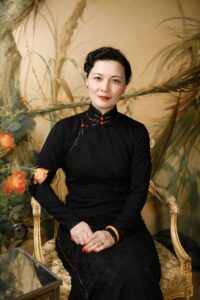
Soong Mei-ling, widely known as Madame Chiang, wasn’t just the glamorous wife of Chinese leader Chiang Kai-shek — she was a force who shaped politics, charity, and diplomacy throughout the 20th century.
But beyond her impact on history, Madame Chiang amazed the world with something equally extraordinary: her remarkable longevity.
Diagnosed with cancer Diagnosed with cancer at just 40, Madame Chiang overcame the disease and went on to live to 106, passing away peacefully in her Manhattan apartment in 2003.
Her secret? A blend of disciplined daily habits, smart lifestyle choices, and — surprisingly — a few very simple foods.

Madame Chiang began each morning with a glass of cold water and lemon. She believed in eating five small meals a day and always stopped at about 70% fullness, keeping herself in a “semi-hungry” state — a practice many modern nutrition experts now praise.
She also dedicated two hours every day to creative activities like reading, drawing, and reflection, habits she credited with keeping her mind sharp well into old age. And she followed a strict sleep routine: in bed at 11 p.m., up at 9 a.m., without exception.
The vegetable But if there was one food Madame Chiang relied on most, it was celery. Far from a bland diet choice, celery was a cornerstone of her longevity routine.
Packed with vitamins, carotenoids, and antioxidants, it supports heart health, combats free radicals, and promotes overall wellness.
“Celery is simple, inexpensive, and incredibly nourishing,” she once said.
Combined with her disciplined eating habits, it helped her stay vibrant even in her 100s.
What science says about celery Celery isn’t just a crunchy, low-calorie snack — research suggests it may offer real health benefits, including potential anti-cancer effects.
It’s rich in fiber, which supports digestion and cardiovascular health, and loaded with antioxidants that help protect cells from damage.
One key compound in celery is apigenin, a plant flavonoid valued in traditional Chinese medicine for its anti-inflammatory, antibacterial, antiviral, and antioxidant properties. A 2016 review suggests apigenin may also help fight cancer by triggering apoptosis, the programmed death of damaged or abnormal cells.
Shutterstock Research in mice further shows that apigenin can reduce inflammation by lowering certain inflammatory proteins, helping restore immune balance.
Celery also contains luteolin, another flavonoid that may slow the spread of cancer cells and make them more responsive to treatment, according to scientists. While more human research is needed, these findings highlight celery as a potential superfood worth adding to your diet.
Beyond the diet Of course, Madame Chiang’s life extended far beyond health. Fluent in English and highly educated in the U.S., she became a charismatic envoy for China, lobbying Congress during WWII, meeting presidents, and appearing on the cover of Time magazine multiple times.
During World War II, she was celebrated as a hero of the Allied cause, representing a China that was both embattled and unbroken — the Associated Press even called her “a modern Joan of Arc.”
Wikipedia Commons / LA Times During the Cold War, her image shifted into a tougher, more militant figure, portraying her as a kind of Mother Courage of anti-communism.
She also founded schools for war orphans, earning recognition as a compassionate and intelligent leader.
Even after her husband’s death, she remained active and mentally sharp, holding exhibitions of her Chinese paintings in New York when she was over 100. Her life blended beauty, intellect, and discipline, leaving a legacy that continues to inspire women around the world.
Takeaway for today’s women Madame Chiang’s secret wasn’t just about what she ate — it was her holistic approach: healthy food, structured routines, mental engagement, and consistent self-care.

And celery? That simple, crunchy vegetable may have been the quiet hero behind a life that spanned more than a century.
It’s never too late to change your diet. Even if you’ve made unhealthy choices for years, you can still take steps to improve your health.
The next time you snack on celery, remember: you’re following in the footsteps of a woman who lived through wars, diplomacy, and historic change — and thrived well past 100.
Share this story and inspire the women in your life!