
In today’s fast‑paced and chaotic world, it’s hard not to feel a wave of nostalgia for the simpler days of the ’70s and ’80s.
I can still picture myself cruising on my bike, wind in my hair, the whole world ahead of me. My mom’s voice—“be home before it gets dark!”—echoed in the background as we roamed freely, making memories with friends.
Those were truly special times.
And back then, people actually talked to one another. Conversations were meaningful, and interactions happened face‑to‑face instead of through screens.
The ’70s certainly had their flaws, but compared to the dystopian chaos we sometimes face today, they feel like a golden age.
As we look at how friendships and relationships have evolved, it’s important to recognize just how much has changed from the ’70s to now. Join me as we explore the shifting dynamics of love, companionship, and the bonds that connect us—while highlighting the nostalgic elements that made the past so unforgettable.
The ’70s: A Colorful Mix of Highs and Lows
The ’70s were a kaleidoscope of moments that defined the decade. The crisp smell of freshly cut grass filled the air, and Saturday mornings were reserved for your favorite cartoons.
Evenings were spent enjoying live music that brought people together. Drive‑in theaters were the ultimate weekend outing, and conversations often took place over the familiar click of dial telephones.
And who could forget the avocado‑green kitchen appliances or the banana bikes scattered around the neighborhood? Muscle cars roared down the streets, showing off the style and power of the era. I’d go back in a heartbeat.
Now, let’s look at how relationships have changed from the ’70s to today.
1. Communication Styles
In the 1970s, communication in relationships was mostly face‑to‑face or through landline phones.
Texting and instant messaging didn’t exist. Couples often wrote letters or shared moments through phone calls.
By then, about 95% of households had phones, and touch‑tone models were beginning to replace rotary ones, making calls a bit easier—and far less frustrating.
Phone rates were expensive, so families rarely called distant relatives until nighttime rates kicked in. If the phone rang during the day, it usually meant bad news.

Today, communication is instant. Social media, texting, and video calls allow couples to connect from anywhere. This has increased communication—but also miscommunication, since tone and intent can easily get lost through screens.
2. Dating Norms and Practices
Back then, dating required real social skills.
You had to be brave enough to talk to strangers—imagine that. Many say dating was easier in those days; you could meet your future partner at school, work, through friends, or even in the smoky haze of bars and clubs.
Exchanging phone numbers was a rite of passage. If you wanted to make plans, you dialed their number and hoped they picked up. No swiping—just courage.
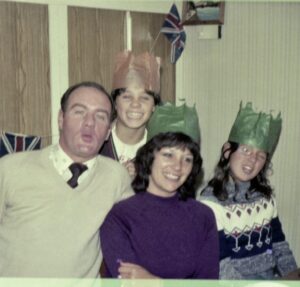
Today, dating apps like Tinder, Bumble, and Hinge have transformed how people meet. In the ’70s, traditional roles were more common, with men usually initiating dates and paying for meals. That has definitely shifted.
3. Attitudes and Commitment
Commitment has changed dramatically. In the early ’70s, 70% of married men and 67% of married women reported being very happy in their marriages—a sign of how strong marital satisfaction once was.
Marriage was seen as a major life milestone. Couples often married young, and although divorce was rising, it was still less common.
Today, many young people prioritize personal growth and career goals. Living together before marriage is widely accepted, and many couples choose to build a life together before making long‑term commitments.
4. Gender Roles and Equality
The feminist movement was gaining momentum during this era. While the ’70s had plenty of charm, women still faced major barriers. It was uncommon for women to work outside the home. They were often labeled “housewives” or “homemakers,” and that role was seen as their primary purpose.
Jobs were limited, and separating from a partner left many women in difficult situations. If they had children, employers often asked, “Who’s watching the kids while you’re at work?”
This inequality pushed women to fight for their rights, reshaping how relationships were viewed.
Today, the push for equality continues, but there’s a broader understanding of diverse relationship structures, including LGBTQ+ partnerships and non‑monogamous arrangements. Gender roles are more flexible, allowing relationships to be built on respect and cooperation rather than tradition.
5. Did People Have More Friends?
Personally, I believe friendships in the ’70s were more meaningful. Think about it: no PCs, no cell phones, no CDs or DVDs, and VCRs were rare.
Car phones were huge and mostly found in limos. No flat‑screen TVs, no cable channels, no voicemail, no answering machines—everything was analog.
And 24‑hour stores? Hardly any. Maybe a few gas stations or the occasional 7‑Eleven.
Because of that, time with friends was more personal, and bonds felt stronger. The number of friends didn’t matter—unless you were competing for “most popular” in the yearbook.
For me, it was always about the depth of those friendships. Sharing moments in small groups or one‑on‑one made those connections truly special.
6. Social Media Influence
In the ’70s, public affection was usually kept private—sneaky hand‑holding and quiet kisses away from watchful eyes.
Today, it’s a completely different world. Relationship milestones are shared on Instagram and Facebook.
Interestingly, the first social‑media‑like software was created in 1978. The Bulletin Board System allowed friends to share information and connect. You dialed in with a modem—the kind that made those beeping noises. Users could post messages, share files, and create groups. It was the original online hangout before social media exploded.
Some people today argue that social media “friends” aren’t real friends—more like people you chat with at a bar.
Someone once said you could disappear from social media for months and see how many people notice—and that’s a bit unsettling. But it’s also a great way to stay connected with old classmates, family, and acquaintances. It’s definitely a mixed bag.
7. Mental Health Awareness
Growing awareness of mental health has completely changed how we approach relationships. In the ’70s, mental health was taboo, and people struggled to express emotional needs.
Many self‑medicated, and society tolerated a lot of chaos—drunkenness, sadness, and erratic behavior. People were labeled “insane,” “lunatic,” or “idiotic,” which only added to the stigma.
Today, it’s a different story. Emotional intelligence, mental health support, and healthy communication are emphasized.
Couples are encouraged to seek therapy, talk openly about their feelings, and prioritize emotional well‑being. Honestly, I think this is a huge improvement. It’s refreshing to see people take mental health seriously and build stronger, healthier relationships.
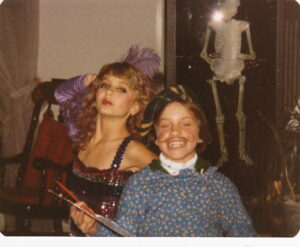
So there you have it. Friendships in the ’70s offered something truly special: real connections, memorable hangouts, and laughter without the distractions of modern life.
While today’s friendships have their own advantages, there’s something about that old‑school bonding we can’t help but miss.
What do you think? Were ’70s friendships really better? Share your thoughts in the comments—and don’t forget to pass this article along on Facebook.